Why Meeting Experience Matters in BYOD Environments
AVWeek's 40-minute podcast, Bring Your Own Device To The Meeting, explores how BYOD is reshaping meeting room experiences. This article extends the discussion into practical recommendations for system integrators rather than serving as a transcript or section-by-section summary.
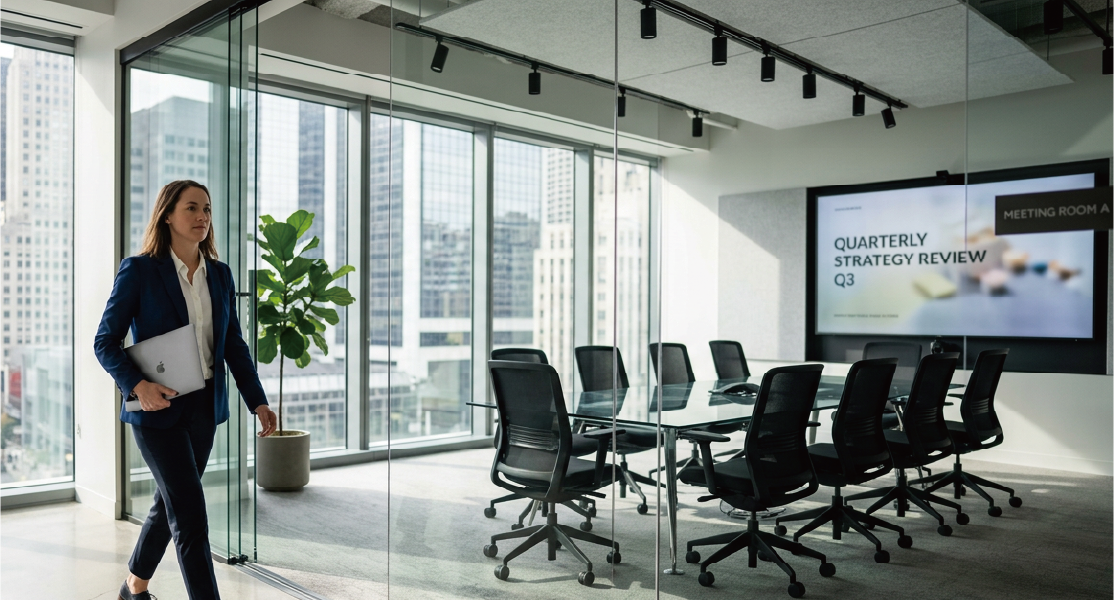
BYOD (Bring Your Own Device) has become a standard feature in modern meeting spaces. Employees increasingly expect to join Microsoft Teams, Zoom, Google Meet, and other collaboration platforms using their own laptops while accessing the room's displays, cameras, microphones, and audio systems.
As BYOD becomes commonplace, however, a different challenge is emerging. The question is no longer whether users can connect their devices, but whether they can start a meeting without hesitation.
Drawing on discussions from AVWeek's Bring Your Own Device To The Meeting, this article highlights several observations that are particularly relevant to system integrators and enterprise AV teams today.
1. Different Meeting Rooms Often Mean Different User Experiences
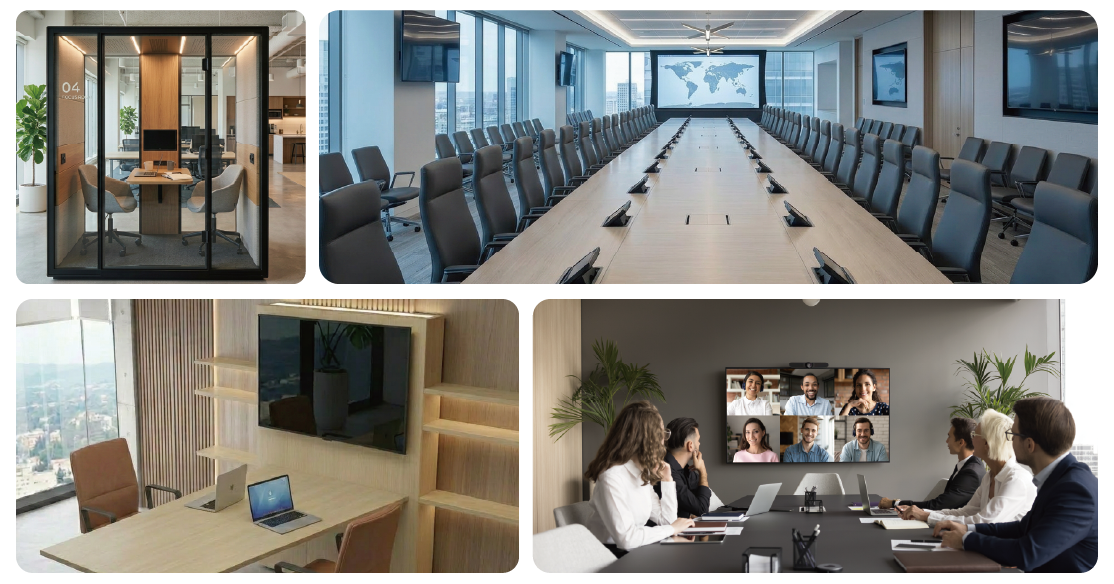
Many organizations have built meeting rooms over different phases of growth, resulting in a mix of technologies and workflows. Moving between rooms often means answering the same questions each time:
Which interface should I use?
Does the input need to be switched?
How do I access the room camera and microphone?
Is additional setup required?
When these workflows vary from room to room, simply starting a meeting becomes an unnecessary interruption.
Although each room may support BYOD, the user experience is not always consistent.
2. Delayed Meetings Are Often Caused by Uncertainty, Not Equipment Failure
Meeting delays are not always the result of technical faults. More often, users simply don't know what to do next.
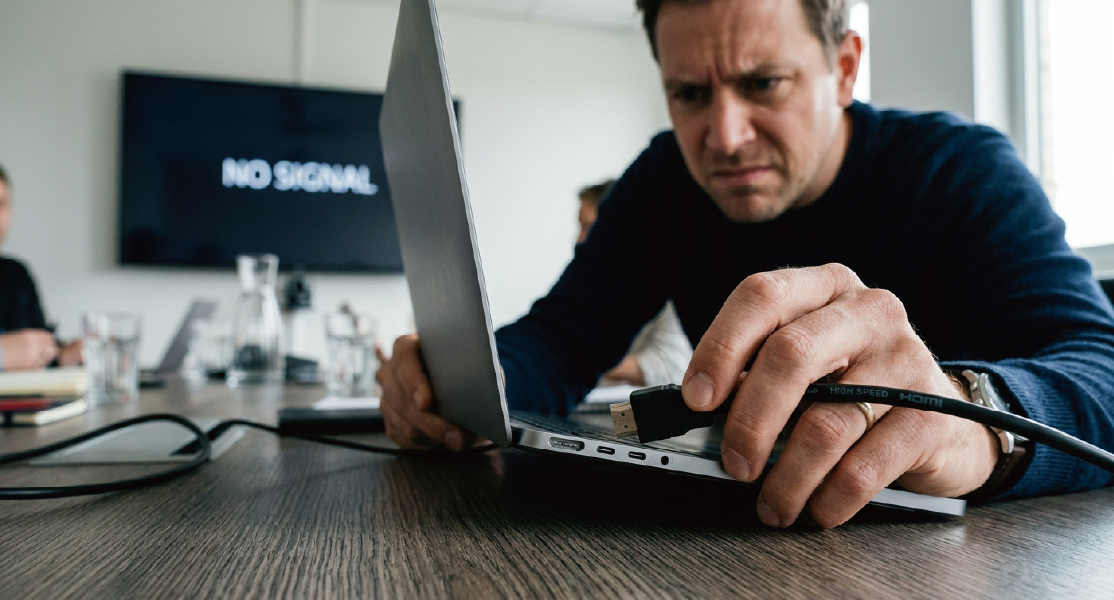
When a display remains blank, a camera is not detected, or the room microphone is unavailable, users often try different cables, inputs, or settings without knowing where the problem originates. Valuable meeting time is then spent troubleshooting instead of collaborating.
The challenge is not necessarily the technology itself, but making the first few minutes of every meeting predictable and straightforward.
3. Different Room Setups, Familiar BYOD Workflows
One of BYOD's greatest advantages is the freedom to work from familiar devices and preferred collaboration platforms.
Device flexibility does not automatically create a consistent meeting experience. If every meeting room follows a different workflow, users still need to adapt each time they enter a new space.
As hybrid work continues to evolve, organizations are shifting their focus toward meeting environments that feel intuitive and consistent, regardless of room type.
4. The Design Priority Is Shifting
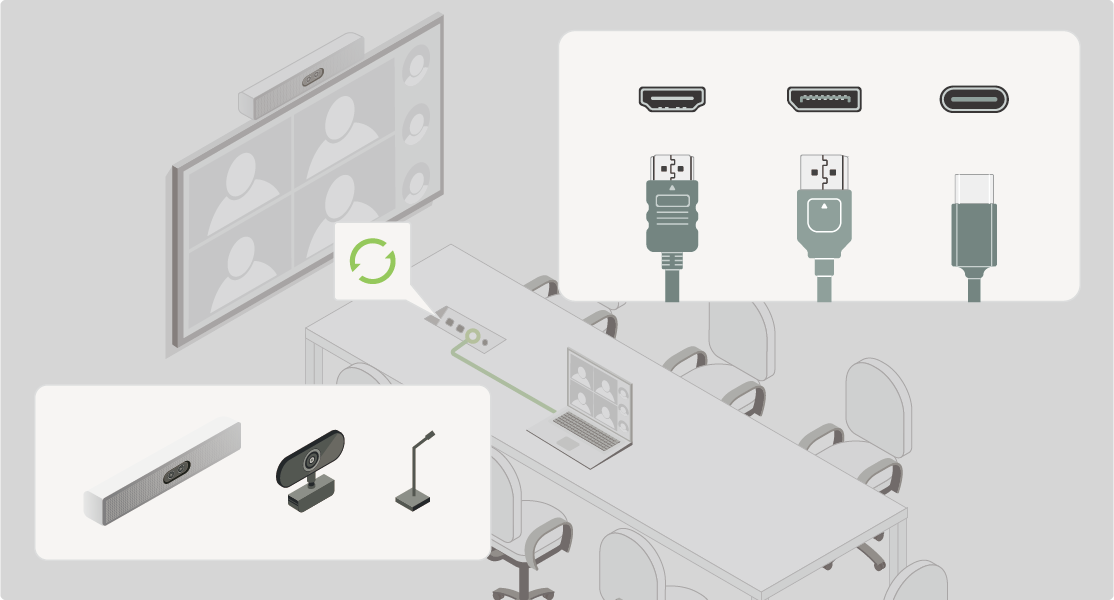
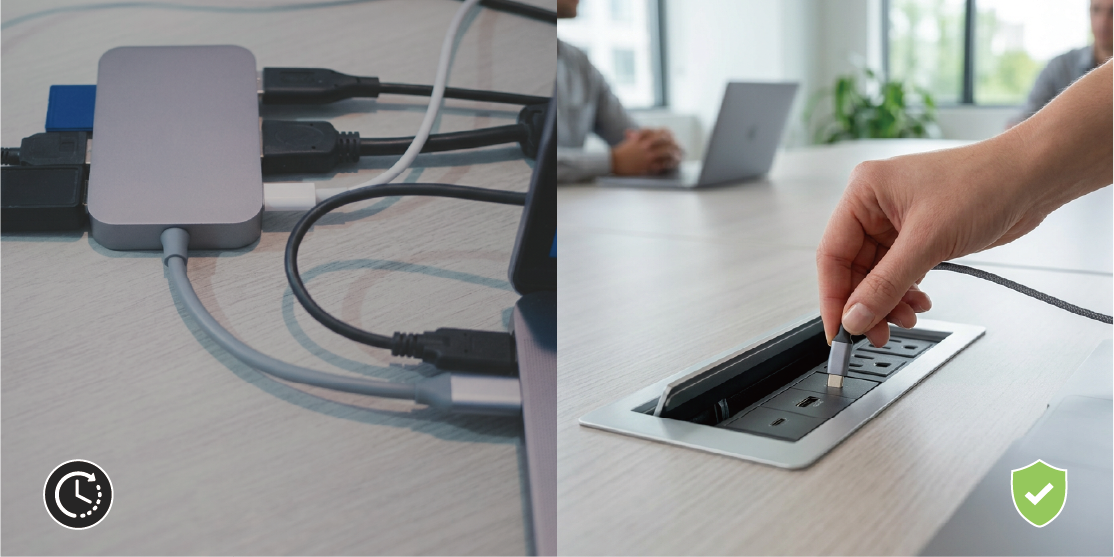
For system integrators, supporting BYOD is no longer simply about adding another USB-C or HDMI connection.
The discussion is no longer limited to hardware compatibility. System integrators are increasingly asking:
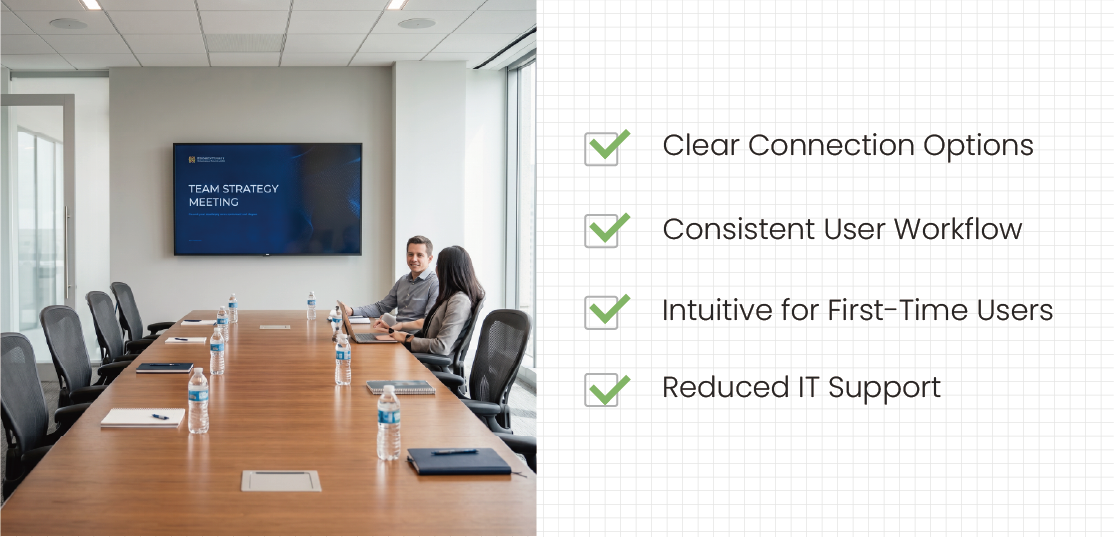
Can users immediately identify the correct connection?
Is the meeting experience consistent across different rooms?
Can first-time users start a meeting with little or no guidance?
Can the system reduce training and ongoing IT support?
This shift is also changing the way meeting spaces are planned. Rather than starting with equipment selection, system integrators are increasingly designing meeting environments around user workflows, collaboration scenarios, and operational needs.
The objective is not to standardize every meeting room, but to deliver a consistent meeting experience while adapting the underlying technology to each space.
5. Conclusion
BYOD has become an essential part of today's meeting environments, but successful collaboration depends on more than device compatibility.
As organizations create more flexible meeting spaces, users increasingly expect every room to feel familiar and intuitive, regardless of its size or underlying technology.
For system integrators, success is no longer defined solely by device connectivity. Increasingly, it is measured by how confidently users can walk into any meeting room and begin collaborating.
As customer expectations evolve, intuitive and consistent meeting experiences are becoming a key differentiator in meeting space design.
Content Reference: AVWeek Podcast, Bring Your Own Device To The Meeting. This article extends the podcast discussion into practical recommendations for system integrators. It is not a direct or section-by-section summary of the original podcast.
Thank you ! Your request has been accepted. We’re looking forward to getting in touch with you. You can expect our response within 3 days. If not, please double check your spam folder.
Oops! Something went wrong while submitting the form.
Thank you ! Your request has been accepted. We’re looking forward to getting in touch with you. You can expect our response within 3 days. If not, please double check your spam folder.
Oops! Something went wrong while submitting the form.
Thank you ! Your request has been accepted. We’re looking forward to getting in touch with you. You can expect our response within 3 days. If not, please double check your spam folder.
Oops! Something went wrong while submitting the form.
Thank you ! Your request has been accepted. We’re looking forward to getting in touch with you. You can expect our response within 3 days. If not, please double check your spam folder.
Oops! Something went wrong while submitting the form.
Cookies Consent
We aim to enhance your experience on our website and would love your help to do so!
By accepting the storage of cookies, you assist us in analyzing website usage and refining our marketing strategies. We use cookies only to enhance your browsing experience and remember your preferences on this site.
You have full control over your cookie settings and can modify them anytime in the Privacy Preference Center. For a comprehensive understanding of how we protect your privacy, please refer to our privacy policy.