Fiber KVM Integration for fMRI Medical Display Systems
Interactive Medical Display Systems for fMRI Applications
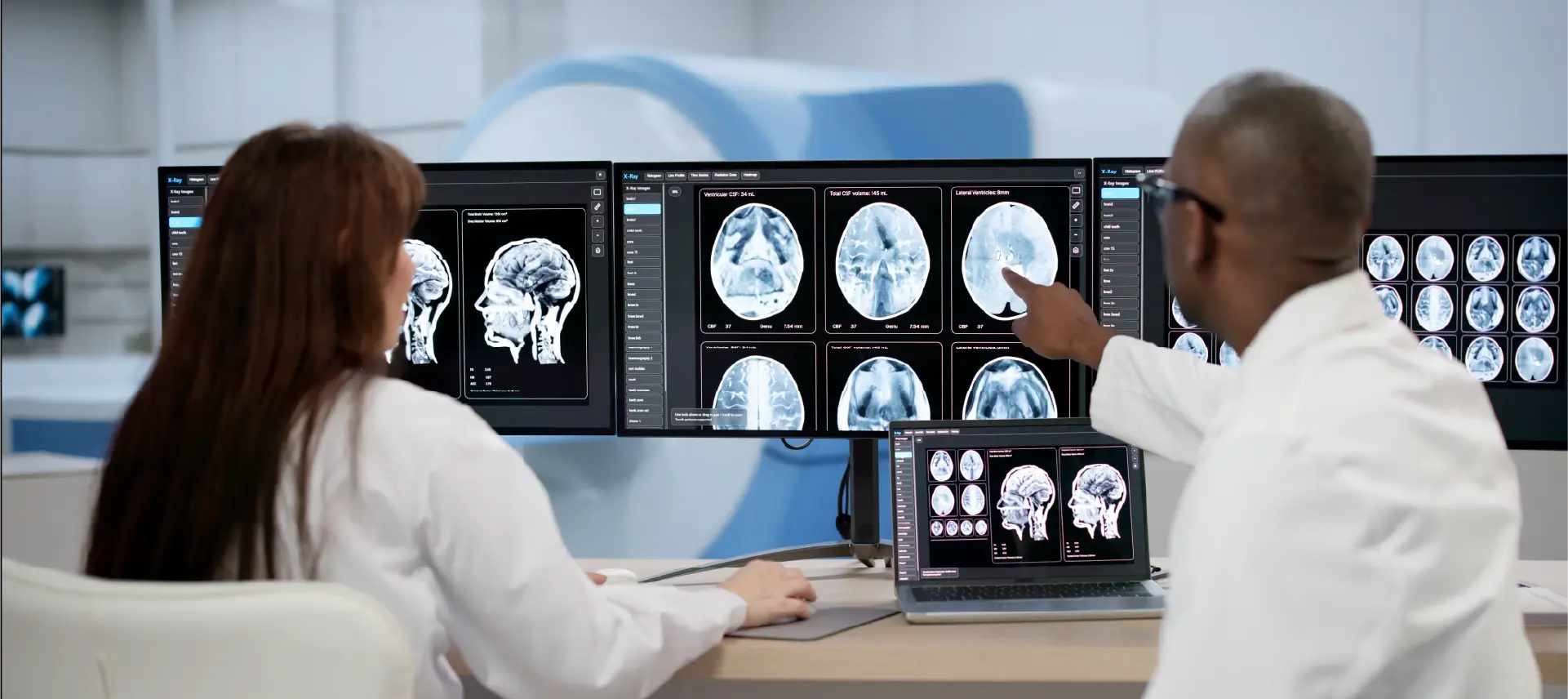
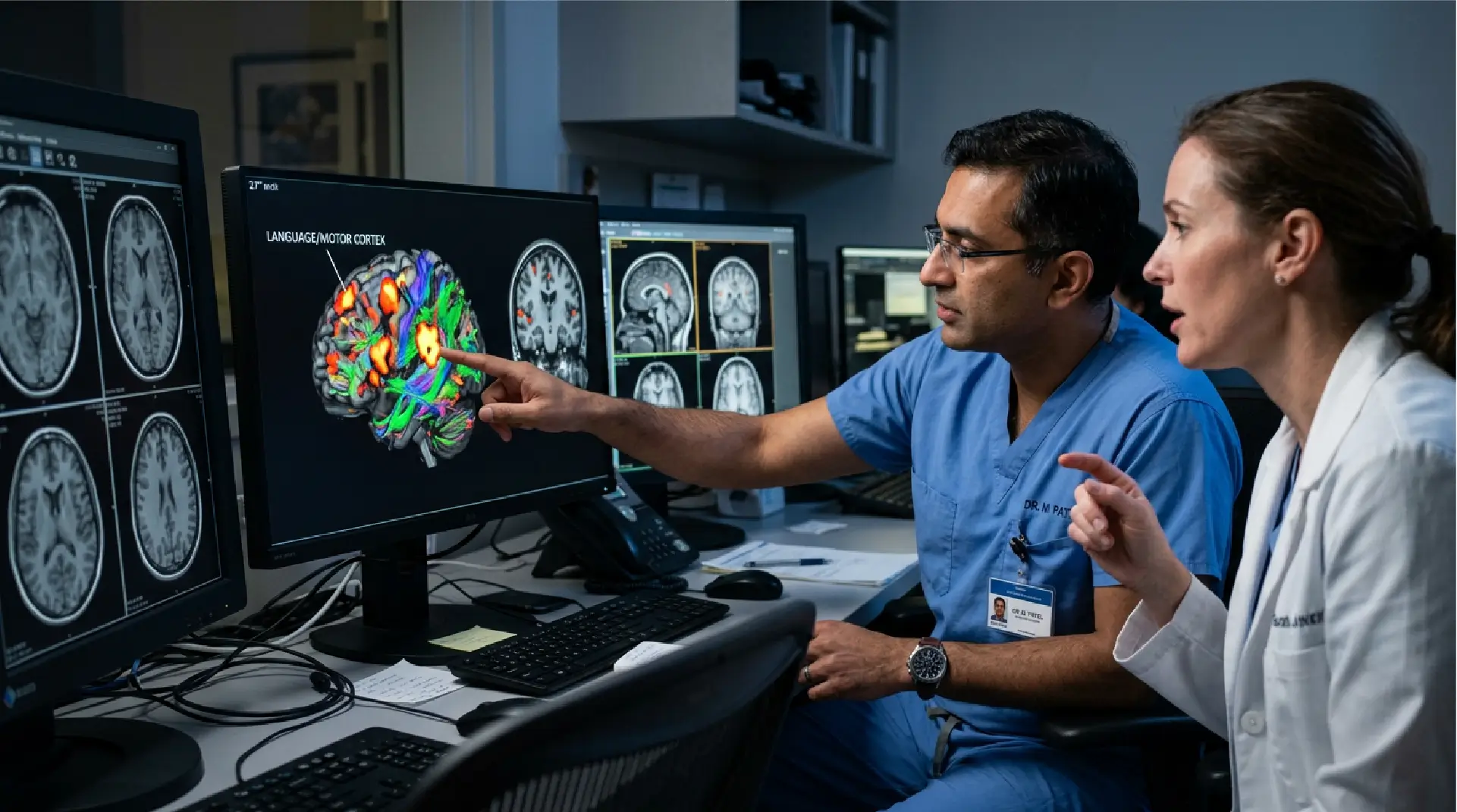
While traditional MRI captures anatomical structures like a high-resolution 3D camera, functional Magnetic Resonance Imaging (fMRI) is more like a video camera that records brain activity during cognitive, language, memory, and motor tasks.
An fMRI system is more than just a display. It supports a complete interactive workflow by presenting visual stimuli while collecting subject responses, camera monitoring, and eye-tracking data. These inputs are synchronized with brain imaging to support more reliable research analysis.
In addition to the MRI scanner, a complete fMRI system integrates a medical workstation, a medical display, and multiple USB peripheral devices to support the complete interactive workflow.
Integrating the Control Room and Scan Room
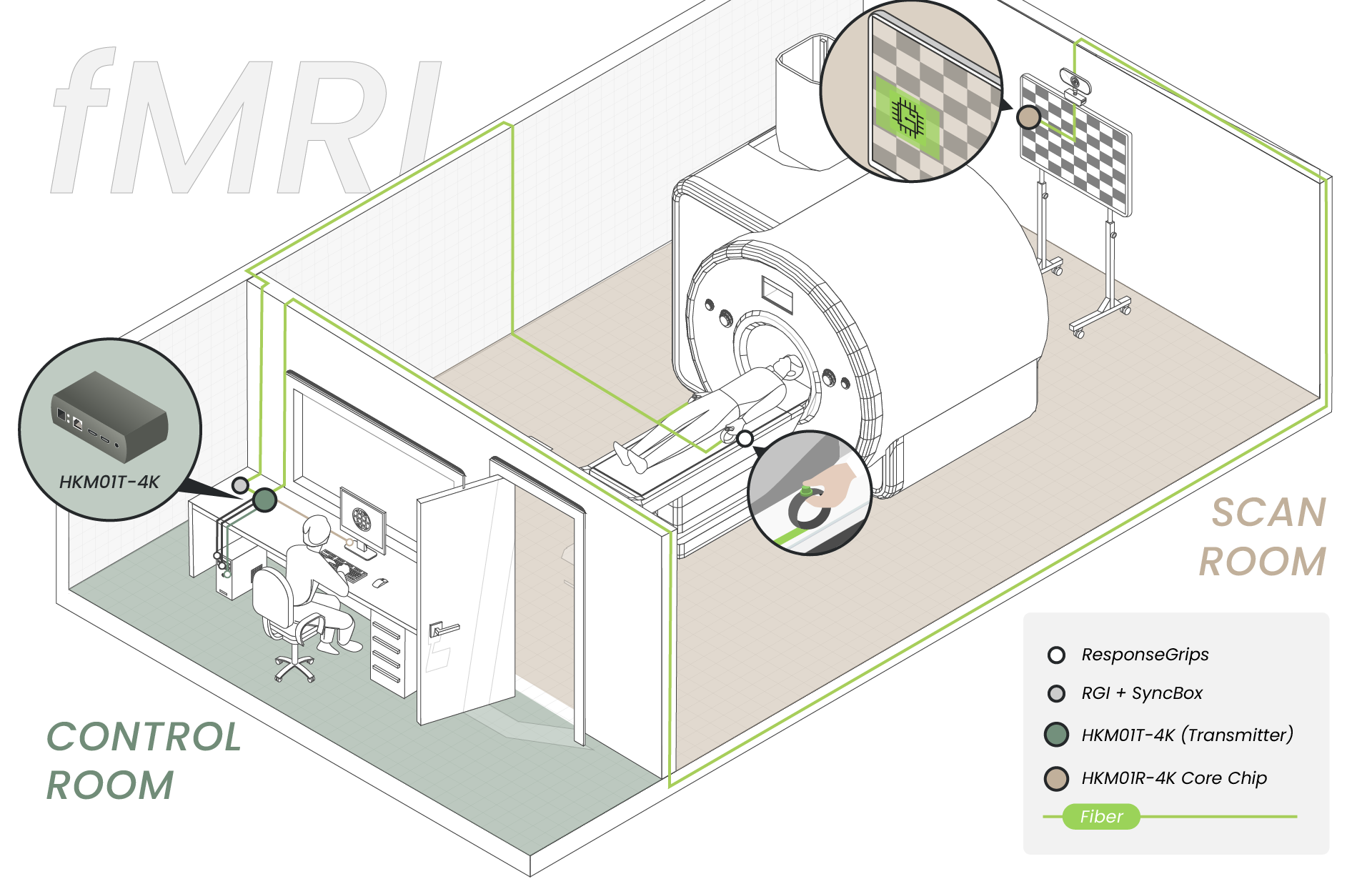
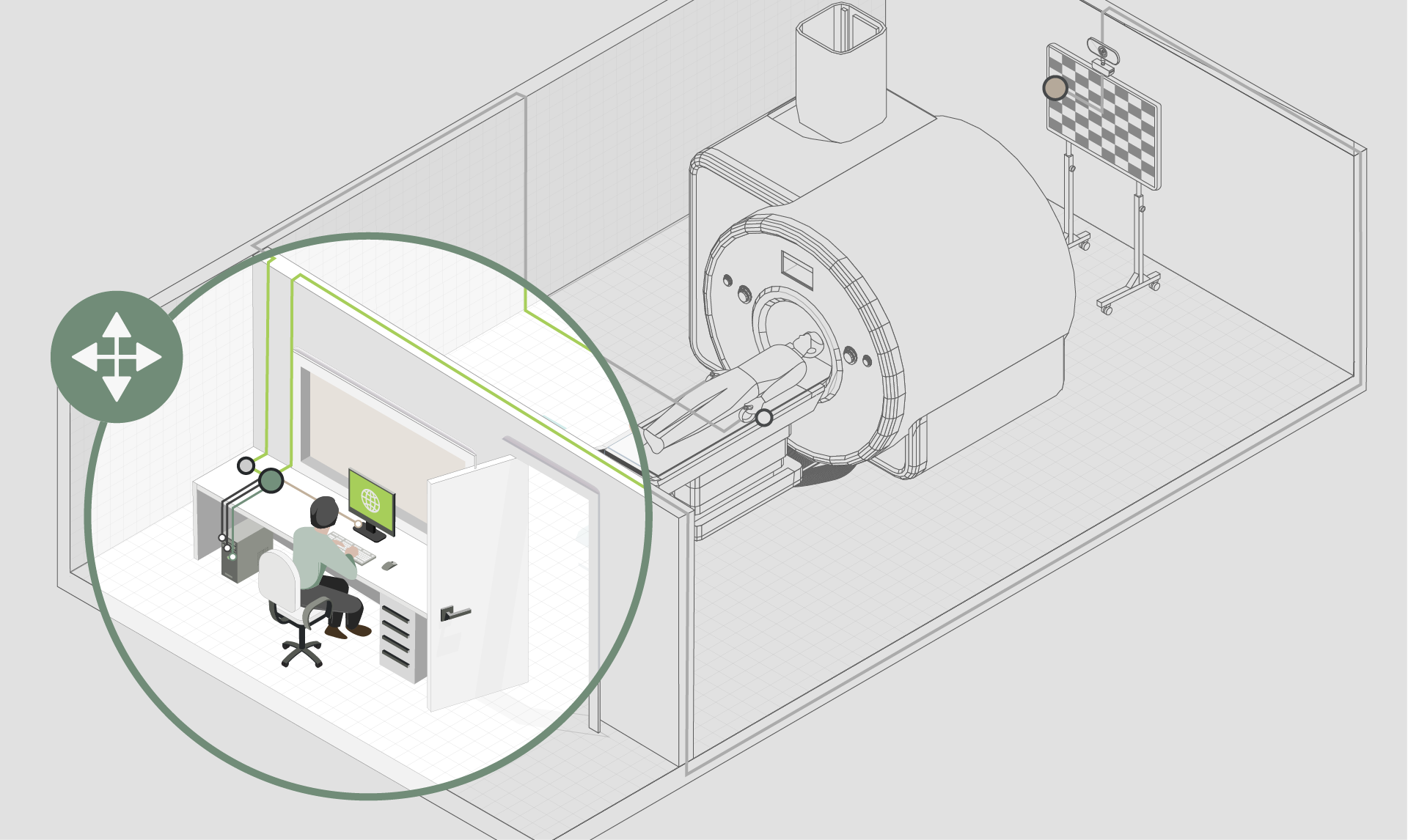
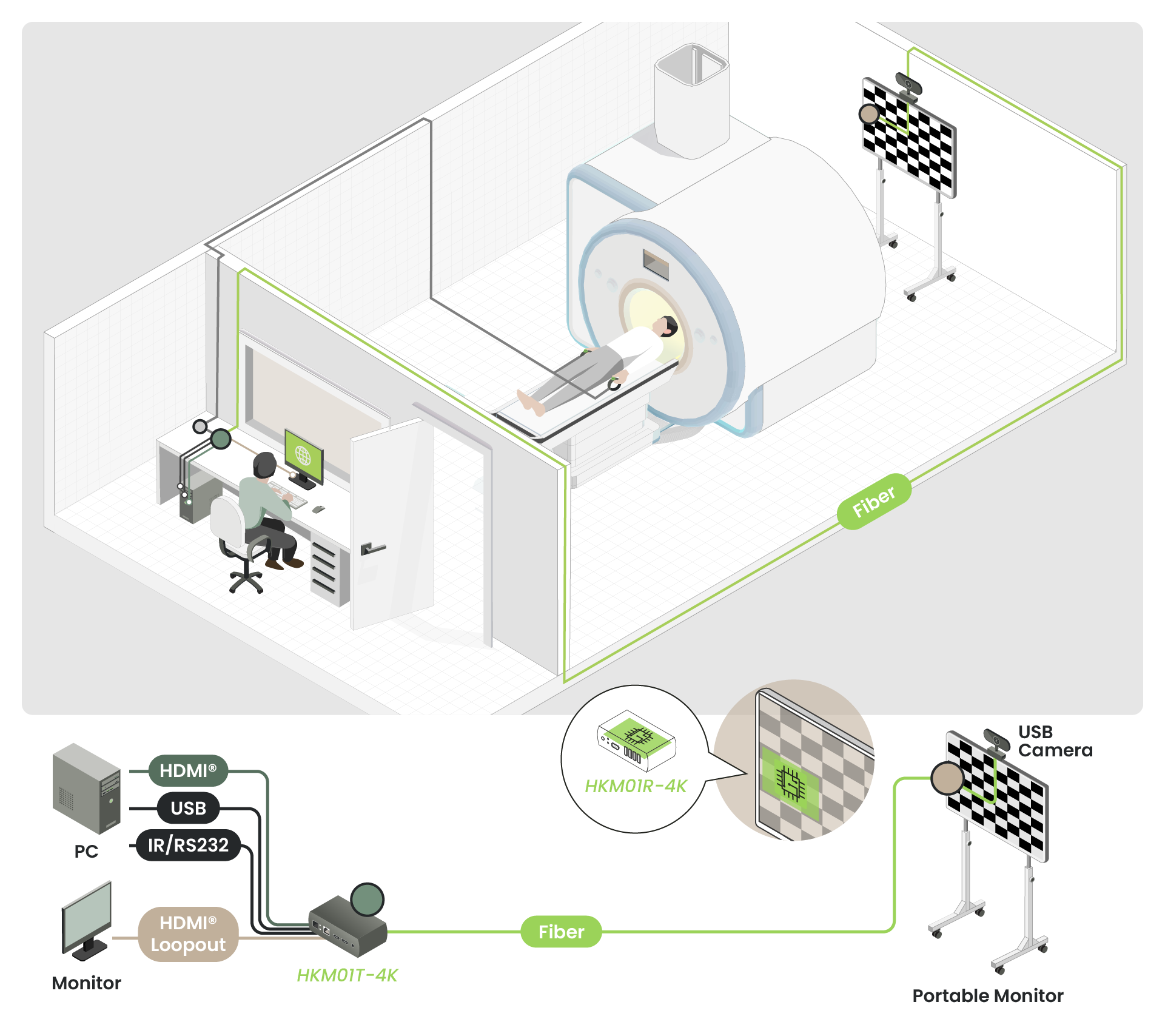
The system consists of two functional areas: the control room and the scan room, connected through a single optical fiber to support visual stimulation, subject interaction, and data acquisition throughout the examination process.
The complete fMRI workflow consists of a medical workstation, a medical display system, fiber transmission, and USB peripherals.
Medical Workstation
Located in the control room, the workstation runs the stimulation program, performs image analysis, and transmits AV and control signals to the scan room.
Medical Display System
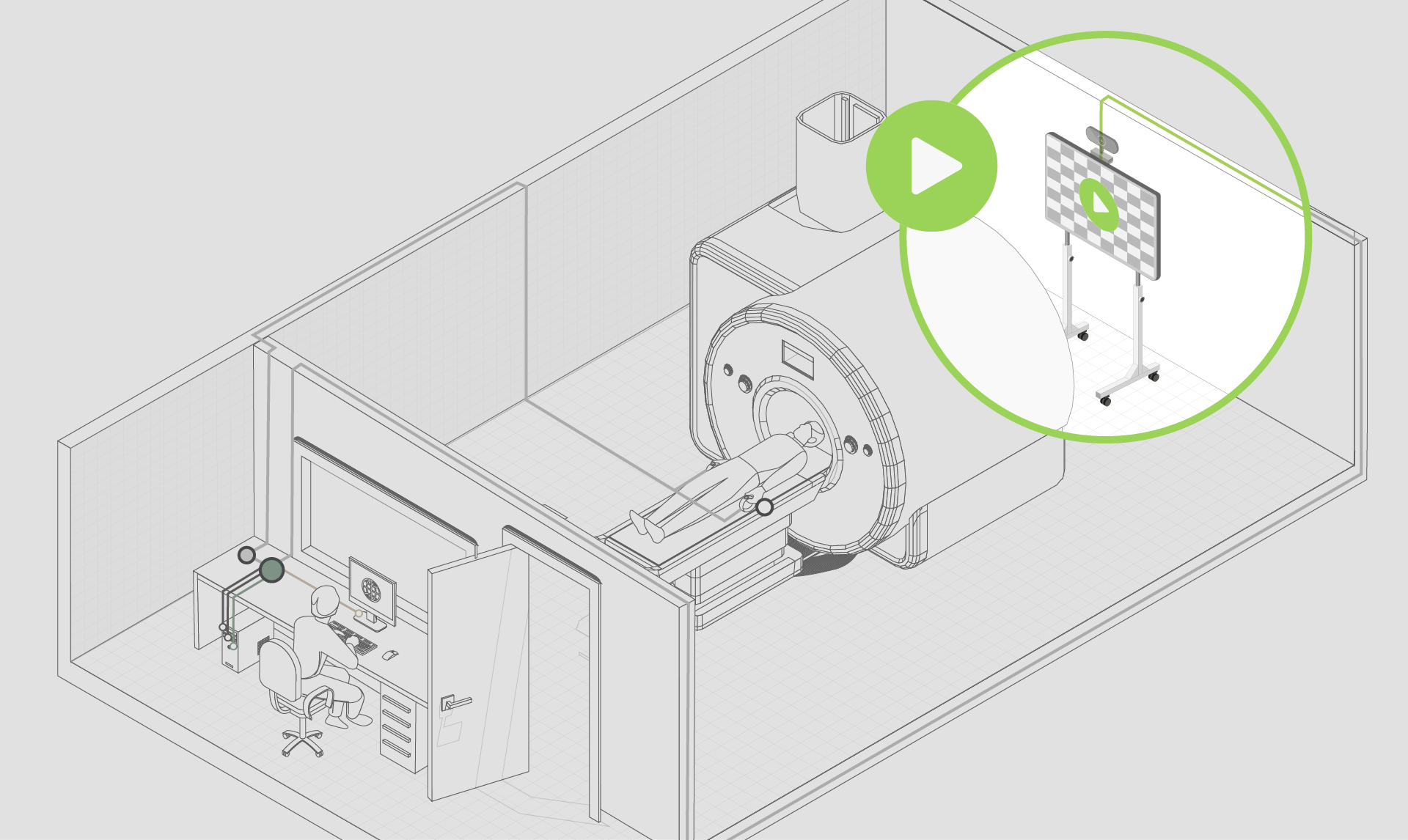
Located in the scan room, the medical display system presents visual stimuli while integrating the embedded receiver module and USB peripheral devices, providing a centralized platform for image presentation and peripheral integration.
Embedded Fiber Transmission Module
Serving as the transmission core of the system, the embedded fiber transmission module connects the medical workstation in the control room with the medical display system in the scan room over optical fiber, enabling synchronized transmission of video and control signals.
USB Peripheral Integration
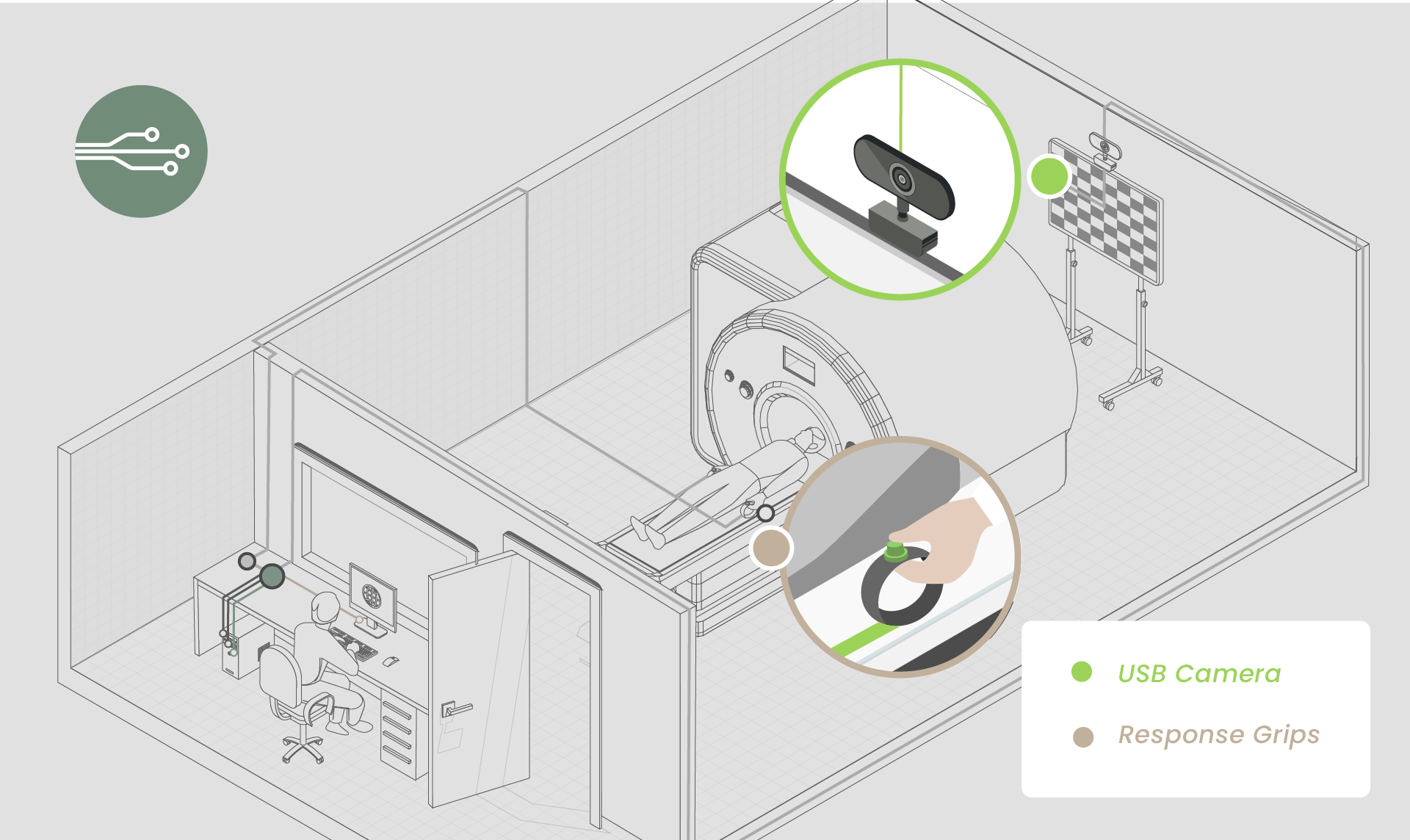
Multiple interactive devices are integrated within the scan room to support subject interaction, device control, and data acquisition, completing the interactive workflow required for fMRI applications.
Signal Transmission Challenges in MRI Environments
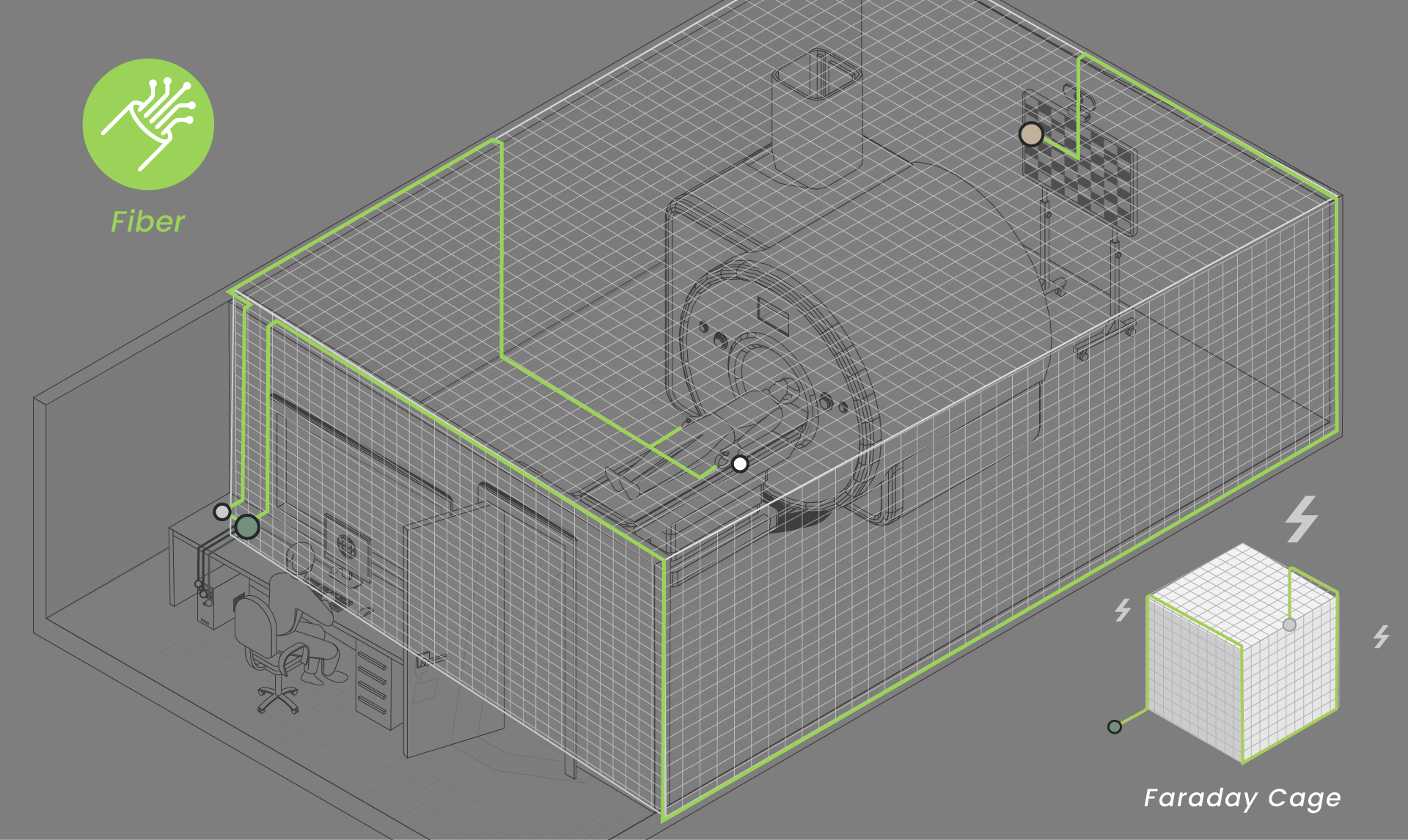
MRI reconstructs images by receiving extremely weak Radio Frequency (RF) signals emitted from the human body. Even minor electromagnetic interference can compromise image quality. To minimize external RF noise, MRI scan rooms are typically enclosed within a Faraday cage, creating a highly controlled electromagnetic environment.
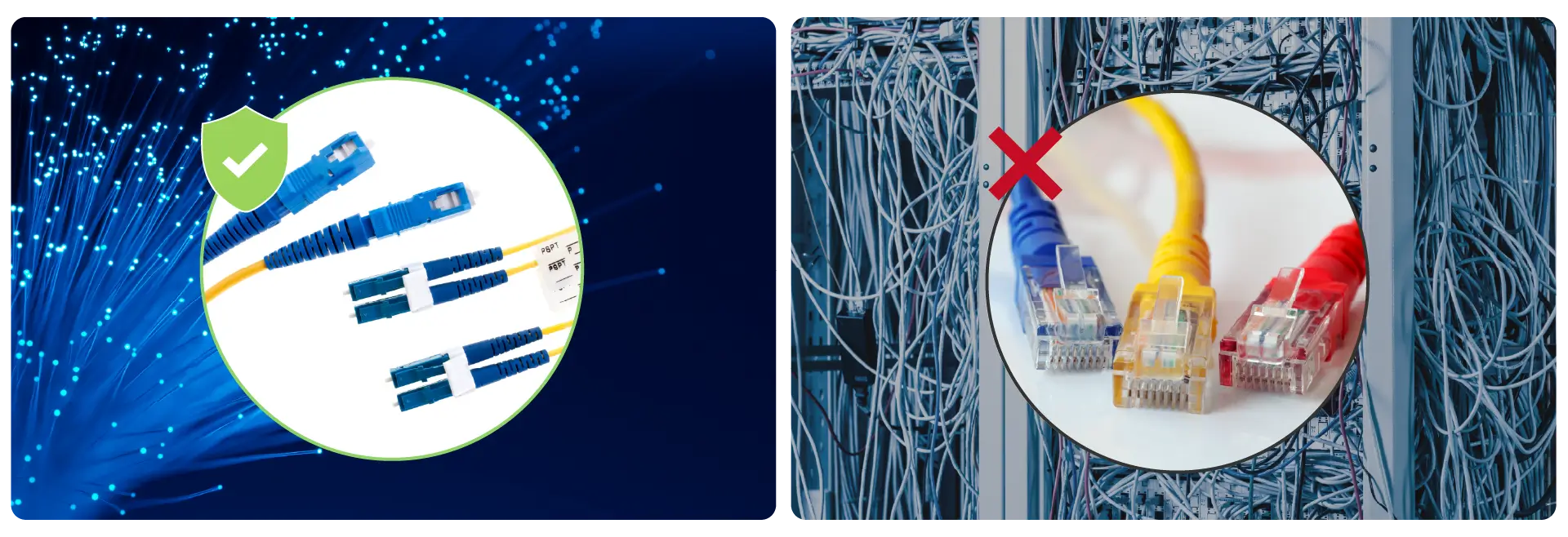
Within this environment, conventional HDMI or USB copper cables between the control room and scan room are susceptible to electromagnetic interference while increasing cabling complexity and installation effort. As a result, a transmission architecture must provide interference resistance, precise synchronization, and seamless integration with interactive devices.
Image Transmission Requirements in MRI Environments
Fiber KVM System Integration
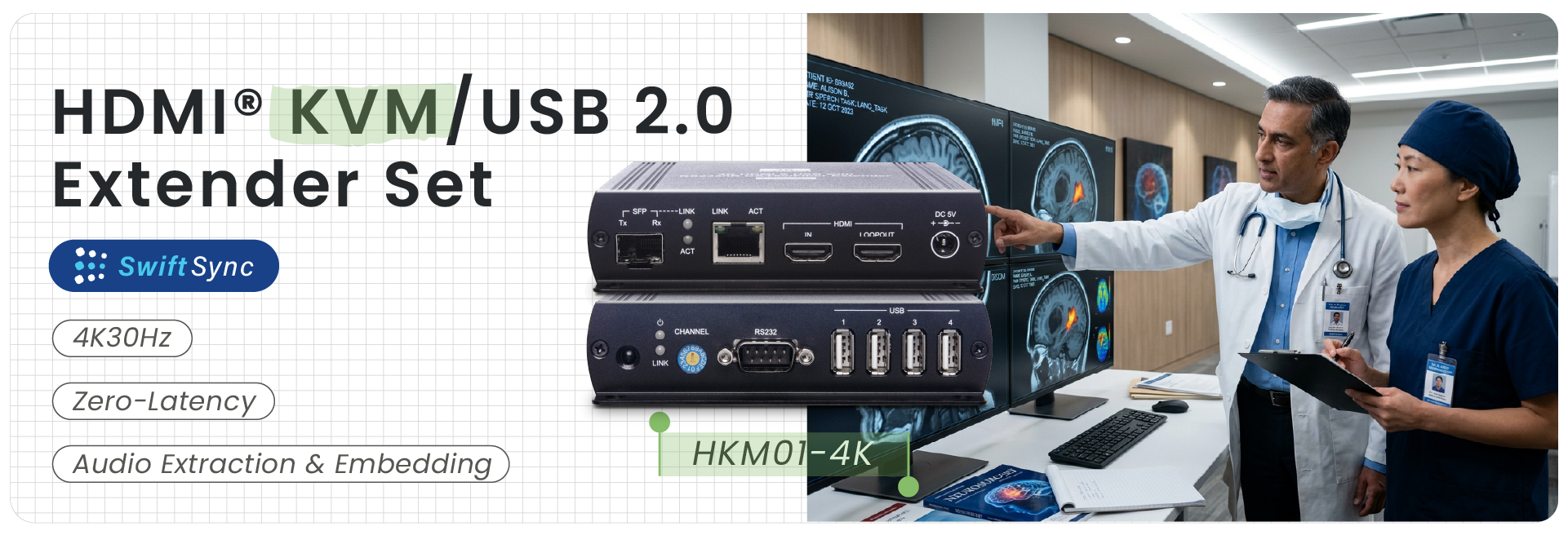
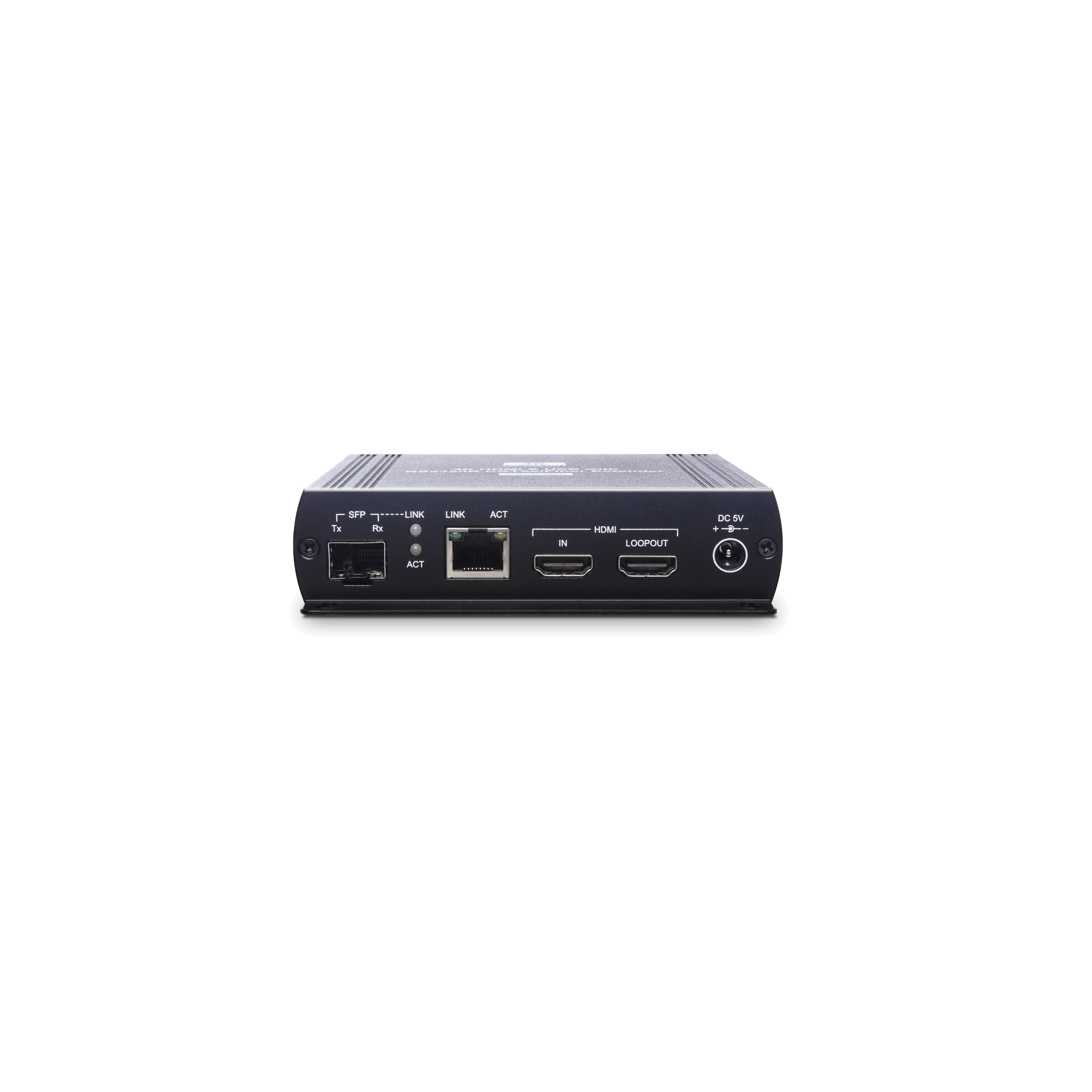
To support image transmission requirements of MRI environments, SC&T integrates Fiber KVM technology into the medical display system. The solution adopts a transmitter (Tx) and receiver (Rx) architecture connected over optical fiber, integrating video transmission, system control, and USB peripheral connectivity.
The HKM01T-4K (Tx), located in the control room, integrates video and control signals from the medical workstation and transmits them to the scan room over optical fiber.
The HKM01R-4K (Rx) is embedded directly into the medical display system, enabling image presentation, system control, and USB peripheral integration while improving overall medical display system integration flexibility.
Embedded Design for Simplified Medical Integration
To meet the space and maintenance requirements of medical equipment, the HKM01R-4K (Rx) is embedded directly into the medical display system. This embedded design reduces external devices and field cabling while preserving modular maintenance, simplifying system integration and reducing maintenance downtime.
Consistent Image Quality for Reliable Visual Stimuli
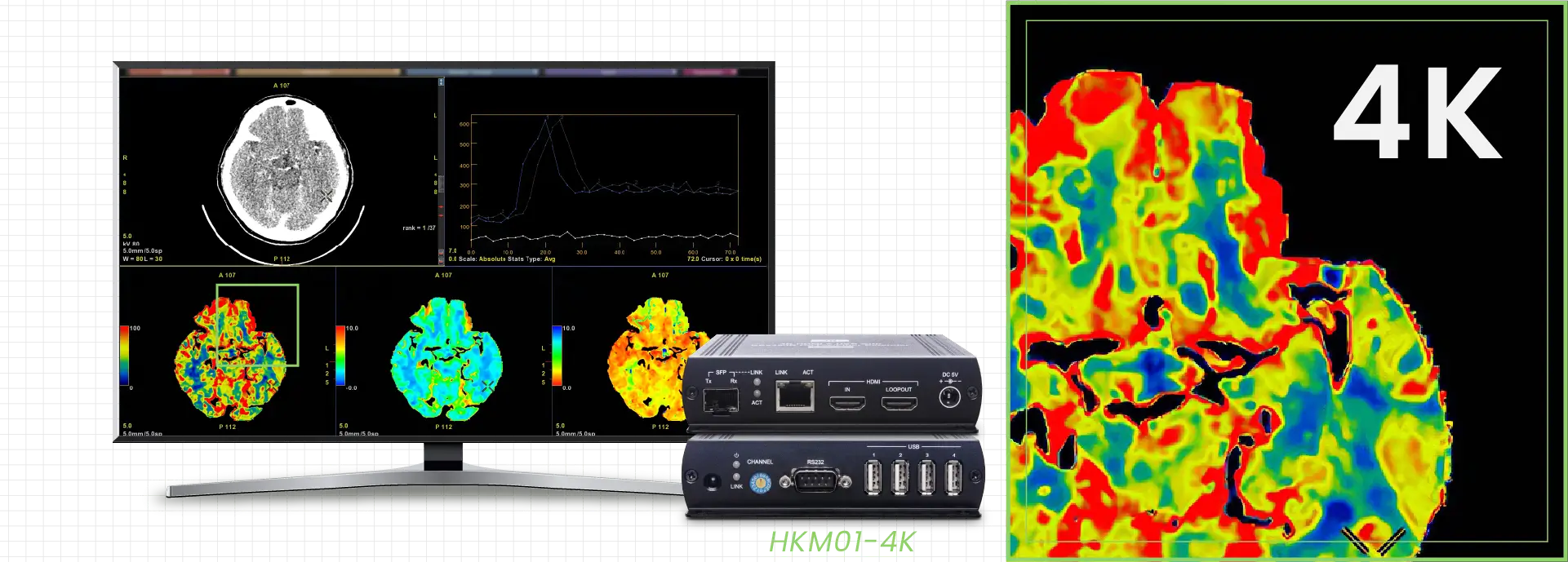
Visual stimuli used in fMRI studies require stable and consistent image quality. Image distortion, screen tearing, or color inconsistency may influence subject responses. Fiber transmission delivers stable high-resolution images while minimizing image degradation caused by electromagnetic interference.
Precise Signal Synchronization with SwiftSync
An fMRI system requires visual stimuli, subject responses, and brain imaging data to remain closely synchronized. SwiftSync technology minimizes transmission latency, helping maintain synchronization between image presentation, device control, and subject interaction throughout the examination.
Fiber Transmission for Reduced Electromagnetic Interference
Optical fiber provides inherent resistance to electromagnetic interference and electrical isolation, preventing RF noise within MRI environments from affecting signal quality. It enables stable transmission of high-resolution video and control signals, making it an ideal transmission medium between the control room and the scan room.
USB Peripheral Integration for Subject Interaction
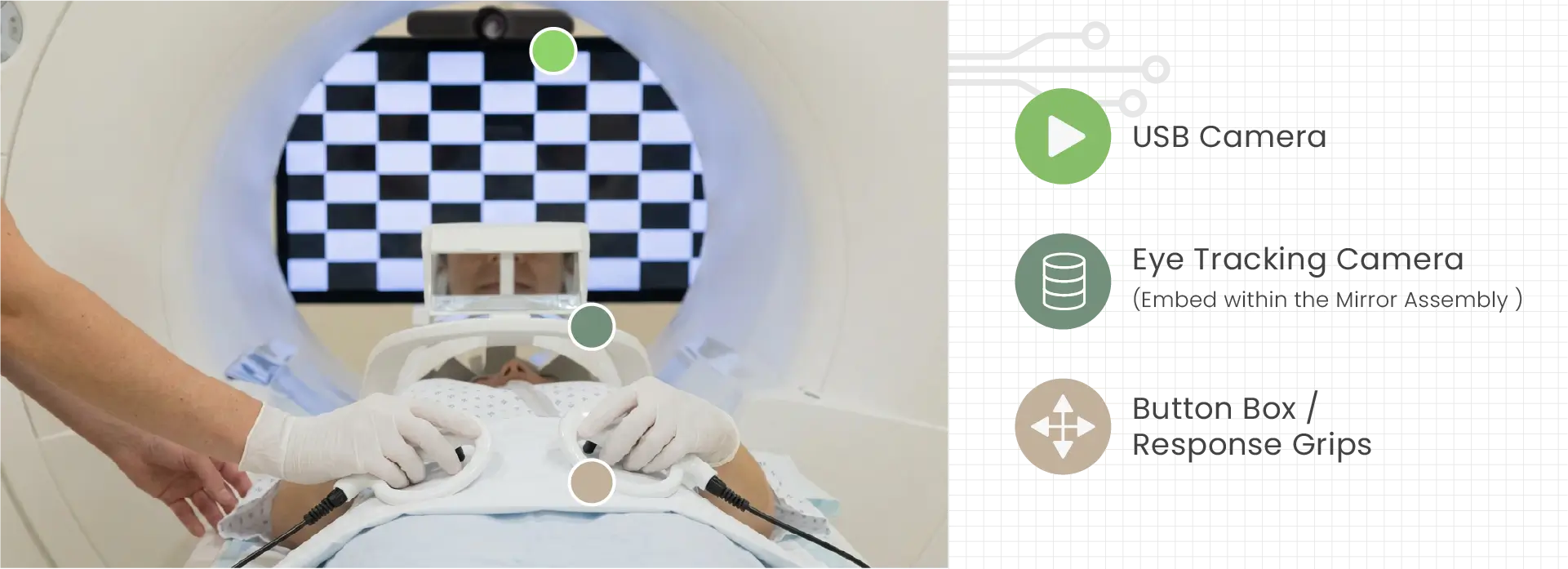
Multiple interactive devices are integrated within the scan room, including:
USB Camera – Monitors the subject throughout the examination.
Eye Tracking Camera – Tracks the subject's gaze to support data interpretation.
Response Button – Records subject responses during cognitive tasks.
When image presentation, subject interaction, and data acquisition must operate simultaneously, system integration becomes essential for successful fMRI deployment.
Delivering Greater Value Through System Integration
The fMRI environment demands more than reliable signal transmission. It requires comprehensive system integration. From transmission architecture and medical display integration to peripheral device deployment, every component must be designed to meet the environmental constraints, signal stability, and maintenance requirements of medical applications.
Beyond reliable signal transmission, fMRI systems require seamless system integration. SC&T delivers highly customizable Fiber KVM solutions, embedded receiver modules, and USB peripheral integration capabilities tailored to diverse product designs, helping medical equipment OEMs/ODMs enhance design flexibility, shorten product development cycles, and simplify system integration.
Thank you ! Your request has been accepted. We’re looking forward to getting in touch with you. You can expect our response within 3 days. If not, please double check your spam folder.
Oops! Something went wrong while submitting the form.
Thank you ! Your request has been accepted. We’re looking forward to getting in touch with you. You can expect our response within 3 days. If not, please double check your spam folder.
Oops! Something went wrong while submitting the form.
Thank you ! Your request has been accepted. We’re looking forward to getting in touch with you. You can expect our response within 3 days. If not, please double check your spam folder.
Oops! Something went wrong while submitting the form.
Thank you ! Your request has been accepted. We’re looking forward to getting in touch with you. You can expect our response within 3 days. If not, please double check your spam folder.
Oops! Something went wrong while submitting the form.
Cookies Consent
We aim to enhance your experience on our website and would love your help to do so!
By accepting the storage of cookies, you assist us in analyzing website usage and refining our marketing strategies. We use cookies only to enhance your browsing experience and remember your preferences on this site.
You have full control over your cookie settings and can modify them anytime in the Privacy Preference Center. For a comprehensive understanding of how we protect your privacy, please refer to our privacy policy.